

Choosing the Right Fabric for Radiation Protection Curtains: A Comprehensive Guide
Release Time:
May 03,2025
Choosing the Right Fabric for Radiation Protection Curtains: A Comprehensive Guide In today’s world, radiation is an ever-present concern, particularly in settings like hospitals, laboratories, and nuclear facilities. **Radiation protection curtains** serve as an essential barrier against harmful rays, ensuring that environments remain safe for both workers and patients. However, not all fabrics o
Choosing the Right Fabric for Radiation Protection Curtains: A Comprehensive Guide
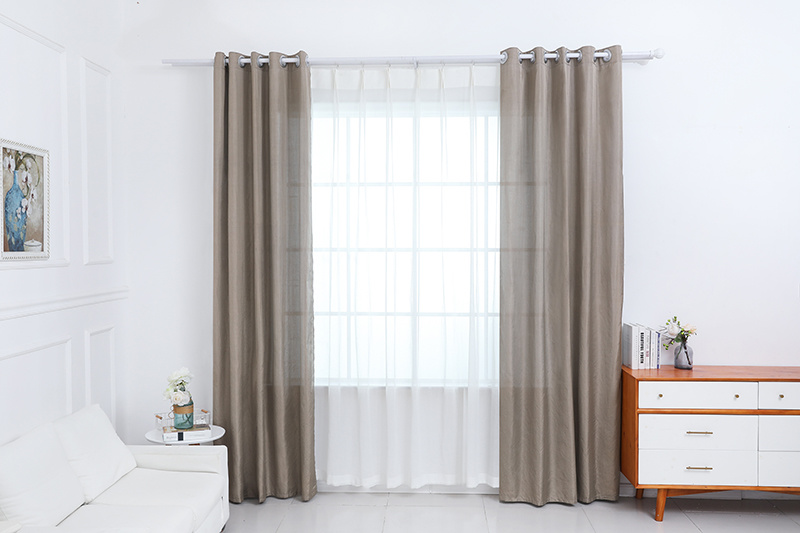
In today’s world, radiation is an ever-present concern, particularly in settings like hospitals, laboratories, and nuclear facilities. **Radiation protection curtains** serve as an essential barrier against harmful rays, ensuring that environments remain safe for both workers and patients. However, not all fabrics offer the same level of protection. In this guide, we will explore the different types of fabrics available, how to choose the right one for your specific needs, and several FAQs that will clarify common questions surrounding this topic.
Table of Contents
- Understanding Radiation and Its Effects
- The Importance of Radiation Protection Curtains
- Types of Fabrics for Radiation Protection Curtains
- Key Factors in Selecting the Right Fabric
- Measuring Radiation Protection Levels
- Maintenance and Care for Radiation Protection Curtains
- Custom Curtain Solutions for Specific Needs
- Expert Tips for Choosing the Best Fabric
- Frequently Asked Questions (FAQs)
- Conclusion
Understanding Radiation and Its Effects
Radiation, in its various forms, can have detrimental effects on human health. **Ionizing radiation**, such as X-rays and gamma rays, carries enough energy to remove tightly bound electrons from atoms, potentially causing cellular damage. Understanding the types of radiation is crucial in selecting the right protective measures, including the fabrics used in radiation protection curtains.
**Non-ionizing radiation**, like UV rays, poses less risk but can still have harmful effects over prolonged exposure. It is vital to identify the type of radiation present in your environment to choose a curtain fabric that adequately addresses those specific dangers.
The Importance of Radiation Protection Curtains
Radiation protection curtains play a pivotal role in safeguarding individuals from harmful exposure. In healthcare settings, such as radiology departments, these curtains provide a necessary barrier, allowing for the safe operation of imaging equipment without compromising the safety of patients and staff.
In laboratories and research facilities, radiation protection curtains help contain exposure during experiments that involve radioactive materials. They are also crucial in nuclear energy plants, where workers must be shielded from high levels of radiation. Thus, selecting the right fabric for these curtains is not just a matter of convenience but a matter of safety.
Types of Fabrics for Radiation Protection Curtains
When choosing a fabric for radiation protection curtains, several options are available, each with distinct qualities:
1. Lead-Infused Fabrics
Lead-infused fabrics are among the most effective materials for shielding against radiation. These fabrics contain microscopic lead particles woven into them, providing high levels of protection. They are particularly suitable for environments where X-ray or gamma-ray exposure is a concern.
2. Steel Fiber Fabrics
Another alternative is steel fiber fabrics, which offer excellent durability and radiation protection. These fabrics are typically lighter than lead-infused options and provide good shielding against various types of radiation, making them suitable for multiple applications.
3. Polymer-Based Fabrics
Polymer-based fabrics are increasingly being used for radiation protection due to their flexibility and ease of use. While they may offer slightly lower levels of protection compared to lead-infused or steel fiber fabrics, they are often more cost-effective and easier to handle.
4. Specialized Radiation Shielding Textiles
Some manufacturers produce specialized textiles designed explicitly for radiation shielding. These may include combinations of materials, such as cotton blended with metal fibers, which can provide adequate protection while also being lightweight and comfortable.
5. Heavyweight Vinyl
Heavyweight vinyl is another option for radiation protection curtains. While it may not offer the same level of protection as lead or steel fibers, it can still serve as an effective barrier in low-radiation environments, offering durability and ease of cleaning.
Key Factors in Selecting the Right Fabric
When selecting a fabric for radiation protection curtains, several key factors should be considered:
1. Type of Radiation
Identify the specific type of radiation you need protection from. This will determine which fabric type is most suitable for your needs.
2. Level of Protection
Different fabrics offer varying levels of radiation protection. Consult with experts or refer to manufacturer specifications to ensure that the fabric meets required safety standards.
3. Durability and Maintenance
Consider how frequently the curtains will be used and the conditions in which they will be exposed. Fabrics that are resistant to wear and easy to clean are essential for maintaining long-term effectiveness.
4. Weight and Flexibility
Heavier fabrics may provide better protection, but they can also be more challenging to handle. Assess the balance between weight and flexibility based on your specific application.
5. Aesthetic Considerations
While functionality is paramount, the aesthetics of the fabric should not be overlooked, especially in environments like hospitals or clinics where patient comfort is a priority.
Measuring Radiation Protection Levels
To ensure that the chosen fabric meets the necessary protection standards, it’s essential to measure its radiation shielding effectiveness. This can typically be done using a **radiation detection meter**, which quantifies the amount of radiation transmitted through the fabric.
The measurements should comply with industry standards, and manufacturers often provide test results to support their claims about the fabric's protection capabilities. Regular testing and monitoring are advised to ensure ongoing safety and effectiveness.
Maintenance and Care for Radiation Protection Curtains
Proper maintenance and care for radiation protection curtains are crucial to prolong their effectiveness. Follow these guidelines:
1. Regular Cleaning
Dust and debris can accumulate on the fabric, potentially impacting its protective qualities. Regularly clean the curtains according to the manufacturer's recommendations.
2. Inspect for Damage
Periodically inspect the curtains for any signs of wear or damage. If any issues are identified, repair or replace the curtains promptly to maintain safety.
3. Storage
When not in use, store curtains in a clean, dry area to prevent damage from moisture or pests. Ensure they are folded or hung properly to avoid creasing or tearing.
Custom Curtain Solutions for Specific Needs
Many facilities may have unique requirements that standard radiation protection curtains cannot meet. In such cases, custom solutions may be necessary.
Working with manufacturers to develop tailored curtains allows organizations to specify the desired dimensions, material types, and additional features like integrated blackout options or aesthetic designs. This ensures that the curtains not only provide the necessary protection but also fit seamlessly within the existing environment.
Expert Tips for Choosing the Best Fabric
1. **Consult Professionals**: Engage with radiation safety experts to assess your specific needs and make informed decisions on fabric selection.
2. **Request Samples**: Before making a bulk purchase, request samples of different fabrics to evaluate their weight, feel, and overall quality.
3. **Check Certifications**: Ensure the fabric meets relevant safety standards and certifications. This is critical for maintaining compliance and ensuring the safety of users.
4. **Consider Cost vs. Quality**: While it may be tempting to opt for cheaper options, prioritize quality when it comes to radiation protection. The risks associated with inadequate protection are not worth the savings.
5. **Seek Testimonials**: Look for reviews or testimonials from other users in similar industries. Their experiences can provide valuable insights into the performance and reliability of various fabric options.
Frequently Asked Questions (FAQs)
1. What type of fabric offers the best protection against radiation?
Lead-infused fabrics are generally considered the best option for high radiation environments, followed by steel fiber fabrics.
2. How often should radiation protection curtains be replaced?
Curtains should be inspected regularly for wear and replaced as needed. Generally, they should be replaced every 5-10 years, depending on usage and maintenance.
3. Can I wash radiation protection curtains?
Most radiation protection fabrics can be cleaned, but it's essential to follow the manufacturer's care instructions to avoid damaging the protective qualities.
4. Are there any regulations regarding radiation protection curtains?
Yes, various industry standards and regulations govern the use of radiation protection equipment, including curtains. It’s crucial to ensure compliance with these standards.
5. How do I know if my curtains are still effective?
Regular testing using a radiation detection meter can help determine if the curtains are still providing adequate protection.
Conclusion
Selecting the right fabric for radiation protection curtains is an essential task that requires careful consideration and expertise. By understanding the types of radiation, evaluating the various fabric options, and considering critical factors such as durability and effectiveness, we can ensure optimal safety in environments exposed to harmful radiation. Whether you choose lead-infused, steel fiber, or specialized textiles, remember that the right choice can significantly impact health and safety. By following the guidelines and expert tips outlined in this article, you can make informed decisions that protect both individuals and facilities effectively.
GET IN TOUCH
We will contact you within one working day. Please pay attention to your email.


Address
Floor 4-5, Building A3, Jinxiang Intelligent Manufacturing Industrial Park, Zhongnan High tech, at the intersection of Fenglehe Avenue and Leiyang Road, Huagang Town, Feixi County, Hefei City