

Understanding RF Blocking Fabric: A Comprehensive Guide to Radiation-Resistant Textiles
Release Time:
Mar 26,2025
RF blocking fabric, also known as electromagnetic interference (EMI) shielding fabric, is an innovative material designed to reduce or block radio frequency (RF) radiation. As our reliance on wireless technology continues to grow, concerns about exposure to electromagnetic fields (EMF) have prompted many to seek effective solutions for protection. RF blocking fabric serves as an effective barrier
At the core of RF blocking fabric is its unique composition, which often includes conductive materials such as silver, copper, or aluminum fibers woven into traditional textiles. These conductive fibers create a mesh that can reflect or absorb electromagnetic waves, effectively reducing the intensity of radiation that penetrates the fabric. The level of shielding provided by RF blocking fabric is often measured in decibels (dB), indicating the amount of RF energy that is blocked or attenuated.
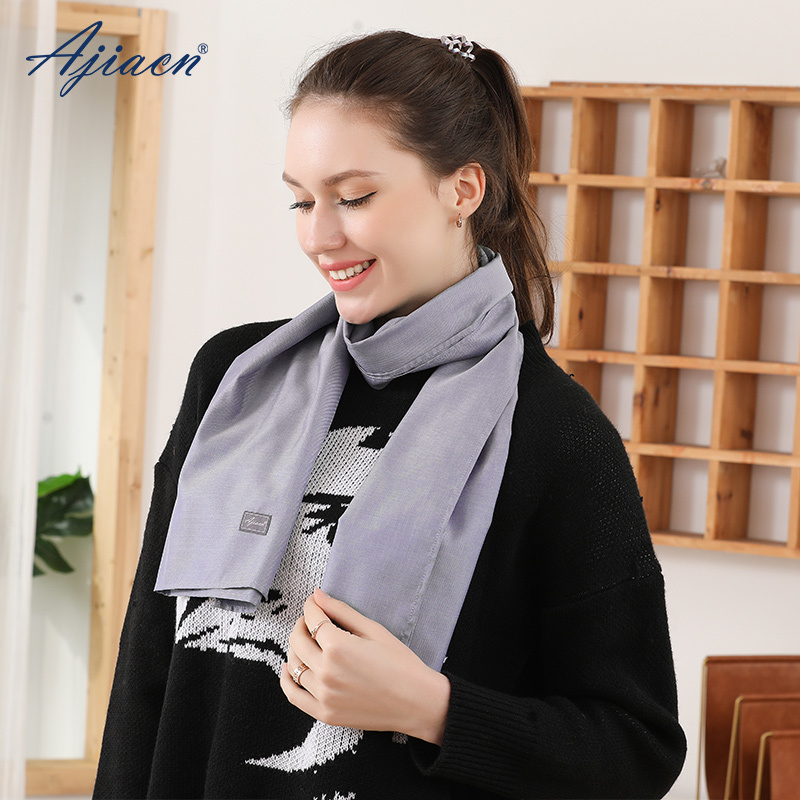
One of the most significant applications of RF blocking fabric is in the creation of wearable technology, such as protective clothing and accessories. For people who frequently use smartphones, tablets, or laptops, garments made with RF blocking fabric can provide an additional layer of security against potential radiation exposure. Similarly, items like shielding pouches or bags can protect devices from unauthorized access, as they can also block signals.
Beyond personal use, RF blocking fabric is also utilized in various industries, including healthcare, telecommunications, and even military applications. In medical environments, for instance, RF shielding is essential to safeguard sensitive equipment from interference caused by external electromagnetic waves, ensuring accurate readings and safe operations. In telecommunications, these fabrics are used to create enclosures that prevent signal leakage, thereby enhancing the performance of communication systems.
When choosing RF blocking fabric, it's essential to consider factors such as the level of shielding required, the intended use, and the comfort of the material. Not all RF blocking fabrics provide the same level of protection; hence, it's advisable to check the fabric's specifications and test results. Additionally, the comfort and breathability of the fabric are crucial, especially for wearable applications, as this ensures that users can wear these garments for extended periods without discomfort.
In conclusion, RF blocking fabric represents a vital innovation in the field of functional textiles, providing an effective means to shield against harmful electromagnetic radiation. As technology continues to evolve, understanding the importance of RF blocking materials will become increasingly relevant, allowing individuals and industries to make informed decisions about their health and safety in a wireless world. Embracing this knowledge not only empowers consumers but also encourages ongoing research and development in the realm of protective textiles.


GET IN TOUCH
We will contact you within one working day. Please pay attention to your email.


Address
Floor 4-5, Building A3, Jinxiang Intelligent Manufacturing Industrial Park, Zhongnan High tech, at the intersection of Fenglehe Avenue and Leiyang Road, Huagang Town, Feixi County, Hefei City