

Understanding Radiation Protection Fabrics: An Essential Guide for Modern Textiles
Release Time:
Mar 18,2025
Radiation protection fabric is a specialized textile designed to shield individuals from harmful electromagnetic radiation, including radiofrequency (RF) and microwave radiation. As technology advances, the exposure to various forms of radiation in our daily lives has increased significantly. Therefore, the significance of radiation protection fabrics cannot be overlooked, especially in industries
The primary function of radiation protection fabrics is to limit or block radiation exposure to the human body. These fabrics are typically made from a blend of conventional textile fibers and metalized fibers, such as silver or copper, which possess conductive properties. The incorporation of these metals enables the fabric to act as a barrier, reflecting or absorbing radiation waves, thus reducing the potential for harm.
One of the most notable applications of radiation protection fabrics is in the healthcare sector. Medical professionals, particularly those working with imaging technologies like X-rays and MRI, often wear protective garments made of these specialized materials. These garments help shield them from radiation exposure over extended periods. Additionally, radiation shielding is vital for patients undergoing certain procedures, where the risk of exposure must be minimized.
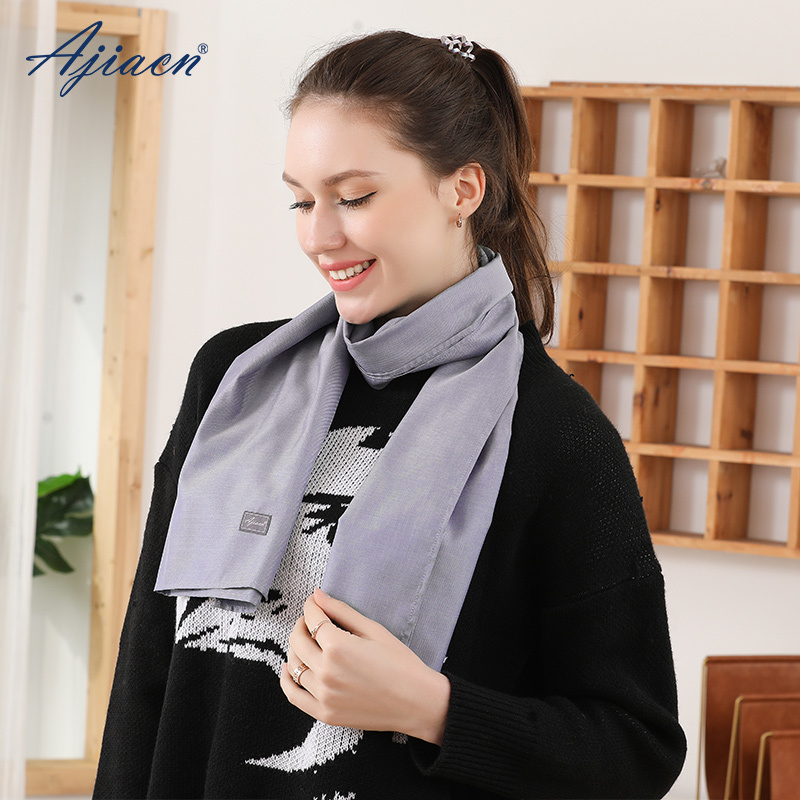
Another area where radiation protection fabric is gaining traction is in the telecommunication industry. With the proliferation of mobile devices and wireless technologies, concerns about exposure to RF radiation have surfaced. Manufacturers are developing clothing and accessories that integrate radiation protection fabrics to offer consumers an extra layer of safety, particularly for those who spend extensive time using devices.
In choosing radiation protection fabrics, several factors should be considered. First, the level of protection offered should be evaluated based on the specific radiation type and intensity the user is likely to encounter. Second, comfort and breathability are essential, especially for garments intended for prolonged wear. Finally, durability and ease of care must also be taken into account, as these fabrics require proper maintenance to retain their protective qualities.
In conclusion, radiation protection fabrics are an innovative solution to a growing concern in today’s technology-driven world. By understanding their properties and applications, individuals and industries can make informed decisions about incorporating these materials into their daily lives and workplaces. As research continues and technology evolves, the effectiveness and applications of radiation protection fabrics will likely expand, making them an indispensable component of modern textiles.

GET IN TOUCH
We will contact you within one working day. Please pay attention to your email.


Address
Floor 4-5, Building A3, Jinxiang Intelligent Manufacturing Industrial Park, Zhongnan High tech, at the intersection of Fenglehe Avenue and Leiyang Road, Huagang Town, Feixi County, Hefei City