

Understanding RF Shielding Cloth: A Guide for Consumer Electronics
Release Time:
Mar 10,2025
In the world of consumer electronics, particularly in the realm of projectors and projection screens, the importance of RF shielding cloth cannot be overstated. RF shielding cloth is a specialized fabric designed to block and absorb radio frequency (RF) signals, preventing interference that can disrupt the performance of electronic devices. This material plays a crucial role in ensuring optimal fu
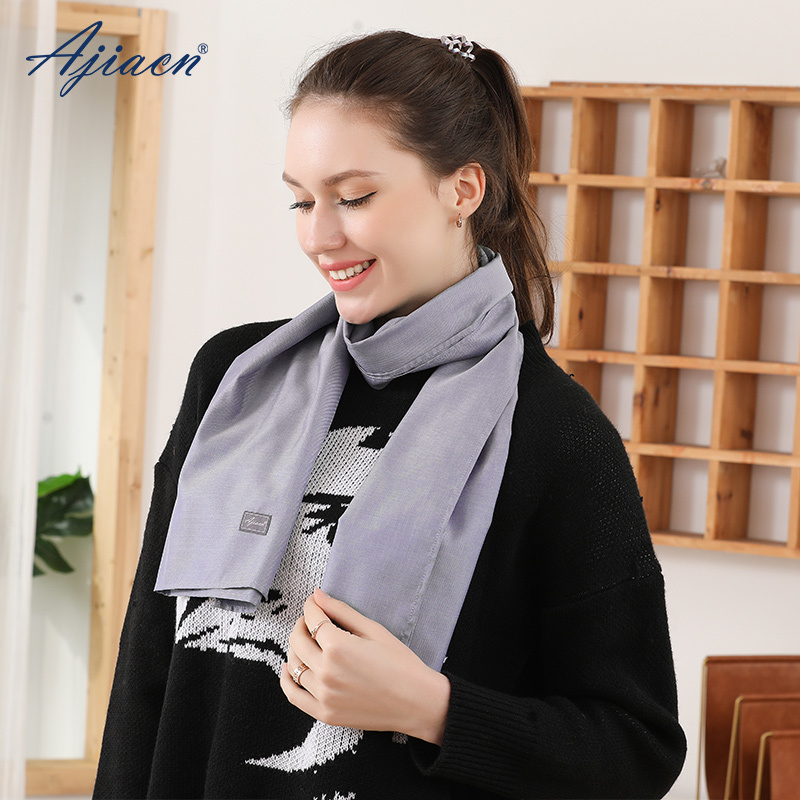
RF shielding cloth is manufactured using a blend of conductive materials, such as copper or nickel, integrated into fibers. The presence of these conductive elements allows the fabric to create a barrier against electromagnetic interference (EMI) and radio frequency interference (RFI). By absorbing or reflecting unwanted signals, RF shielding cloth helps maintain the integrity of the signals transmitted by devices like projectors, which are sensitive to external interference.
One of the primary benefits of using RF shielding cloth is its ability to improve the quality of the projected image. In environments where multiple electronic devices operate simultaneously—such as offices, classrooms, or conference rooms—interference from Wi-Fi signals, Bluetooth devices, and other electronic equipment can lead to disruptions. Utilizing RF shielding cloth in projector screens or surrounding environments minimizes these disruptions, ensuring a clearer and more stable image for viewers.
Moreover, RF shielding cloth can also enhance the overall durability of your electronic equipment. Continuous exposure to EMI can lead to wear and tear on components, potentially shortening the lifespan of devices. By implementing RF shielding solutions, users can protect their projectors and other sensitive electronics, ultimately saving on maintenance and replacement costs.
Additionally, RF shielding cloth is versatile and can be used in various applications beyond just projectors. It can be integrated into walls, ceilings, and enclosures to create a controlled environment free from unwanted signals. This capability is particularly beneficial in professional settings where precision is paramount, such as in scientific laboratories or data centers.
In conclusion, understanding the role of RF shielding cloth in consumer electronics, especially for projectors and projection screens, is essential for anyone looking to enhance their technology experience. By reducing electromagnetic interference, improving image quality, and prolonging the lifespan of devices, RF shielding cloth proves to be a valuable investment in today's technology-driven world. Whether you are a professional setting up a conference room or a teacher aiming for a seamless classroom experience, incorporating RF shielding cloth can significantly elevate the performance of your electronic devices.

GET IN TOUCH
We will contact you within one working day. Please pay attention to your email.


Address
Floor 4-5, Building A3, Jinxiang Intelligent Manufacturing Industrial Park, Zhongnan High tech, at the intersection of Fenglehe Avenue and Leiyang Road, Huagang Town, Feixi County, Hefei City