

How Silver Fiber Technology Enhances Radiation Protection in Textiles
Release Time:
Feb 18,2025
How Silver Fiber Technology Enhances Radiation Protection in Textiles Table of Contents Introduction to Silver Fiber Technology in Textiles Understanding Radiation and Its Effects Benefits of Silver Fiber in Radiation Protection The Mechanism of Action: How Silver Fiber Works Applications of Silver Fiber Technology in Various Industries The Sustainability Aspect of Silver
How Silver Fiber Technology Enhances Radiation Protection in Textiles
Table of Contents
- Introduction to Silver Fiber Technology in Textiles
- Understanding Radiation and Its Effects
- Benefits of Silver Fiber in Radiation Protection
- The Mechanism of Action: How Silver Fiber Works
- Applications of Silver Fiber Technology in Various Industries
- The Sustainability Aspect of Silver Fiber Textiles
- Future Trends in Silver Fiber Technology
- Conclusion
- FAQs: Common Questions About Silver Fiber Technology
Introduction to Silver Fiber Technology in Textiles
In recent years, **silver fiber technology** has emerged as a revolutionary solution in the textile industry, particularly in the realm of **radiation protection**. This technology, which incorporates fine silver fibers into fabrics, offers a multitude of benefits that go far beyond mere aesthetic enhancement. By merging **nanotechnology** and **textile engineering**, manufacturers can produce materials that not only shield the wearer from harmful **electromagnetic radiation** but also provide antimicrobial properties, thereby improving overall health and safety.
As the world becomes increasingly reliant on electronic devices and wireless technologies, the need for effective radiation protection has never been greater. This article aims to dissect the science behind silver fiber technology, its applications, and its significance in today's textile market.
Understanding Radiation and Its Effects
Radiation, in its various forms, is an omnipresent aspect of modern life. From the natural radiation emitted by the Earth to the electromagnetic radiation produced by electronic devices, understanding the implications of exposure is vital.
The Different Types of Radiation
Radiation can be classified into several categories:
1. **Ionizing Radiation**: This type includes gamma rays, X-rays, and cosmic rays. It possesses enough energy to remove tightly bound electrons from atoms, which can lead to cellular damage and increased cancer risk.
2. **Non-Ionizing Radiation**: This includes microwaves, radiofrequency radiation, and visible light. While it is generally considered less harmful than ionizing radiation, prolonged exposure to non-ionizing radiation—especially from devices like smartphones and Wi-Fi routers—has raised health concerns.
Health Implications of Radiation Exposure
Chronic exposure to radiation can lead to a variety of health issues, including:
- **Cancer**: Studies have shown increased incidences of certain cancers among individuals exposed to high levels of radiation.
- **Genetic Mutations**: Ionizing radiation can lead to mutations in DNA, potentially resulting in hereditary health issues.
- **Other Health Risks**: Non-ionizing radiation can contribute to headaches, sleep disturbances, and cognitive issues.
Given these concerns, the **demand for effective radiation protection solutions** in textiles has surged, propelling innovations like silver fiber technology to the forefront.
Benefits of Silver Fiber in Radiation Protection
The integration of silver fibers into textiles provides several key benefits that make it an attractive option for individuals seeking radiation protection.
1. Effective Shielding Against Electromagnetic Radiation
Silver fibers exhibit exceptional conductivity, allowing them to absorb and reflect electromagnetic waves. This characteristic makes silver-infused fabrics ideal for shielding against harmful radiation from devices like laptops, smartphones, and Wi-Fi routers.
2. Antimicrobial Properties
One of the lesser-known benefits of silver fiber technology is its **antimicrobial** properties. Silver has long been acknowledged for its ability to inhibit bacterial growth, making silver-infused textiles not only protective against radiation but also beneficial for reducing the risk of skin infections and other health issues.
3. Breathability and Comfort
Unlike traditional radiation-protective gear, which can often be bulky and uncomfortable, silver fiber fabrics are lightweight and breathable. This ensures that users can wear these textiles for extended periods without discomfort, making them suitable for everyday use.
4. Durability and Longevity
Silver fibers are resilient and maintain their protective qualities even after multiple washes. This longevity adds value to investments in silver fiber technology, as consumers do not have to frequently replace their protective clothing.
5. Versatility in Design
The use of silver fibers in textiles allows for versatile designs. From casual wear to high-performance sportswear, the applications are limitless, appealing to a broad range of consumers.
The Mechanism of Action: How Silver Fiber Works
To fully appreciate the advantages of silver fiber technology, it is essential to understand the underlying mechanisms that enable its protective functions.
Electrical Conductivity
Silver is renowned for its excellent electrical conductivity. When woven into fabric, the silver fibers create a conductive layer that interacts with electromagnetic fields. This interaction enables the fabric to serve as a barrier, reflecting and absorbing radiation rather than allowing it to penetrate the material.
Surface Interaction and Antimicrobial Action
The antimicrobial properties of silver fibers stem from their ability to release silver ions upon contact with moisture. These ions disrupt bacterial cell membranes, effectively neutralizing harmful microorganisms. This action not only enhances the fabric's hygiene but also contributes to its overall protective capabilities.
Integration with Other Materials
Silver fibers can be blended with various textiles, including cotton, polyester, and nylon, to enhance their radiation protection features. This integration allows manufacturers to produce fabrics that combine comfort with cutting-edge technology, catering to the needs of diverse customer segments.
Applications of Silver Fiber Technology in Various Industries
The versatility of silver fiber technology makes it suitable for an array of applications across different industries.
1. Medical Textiles
In the medical field, silver-infused fabrics are used in surgical gowns, drapes, and wound dressings. Their antimicrobial properties significantly reduce infection rates in clinical settings, while their radiation-shielding capabilities protect both patients and healthcare workers from potential exposure.
2. Fashion and Apparel
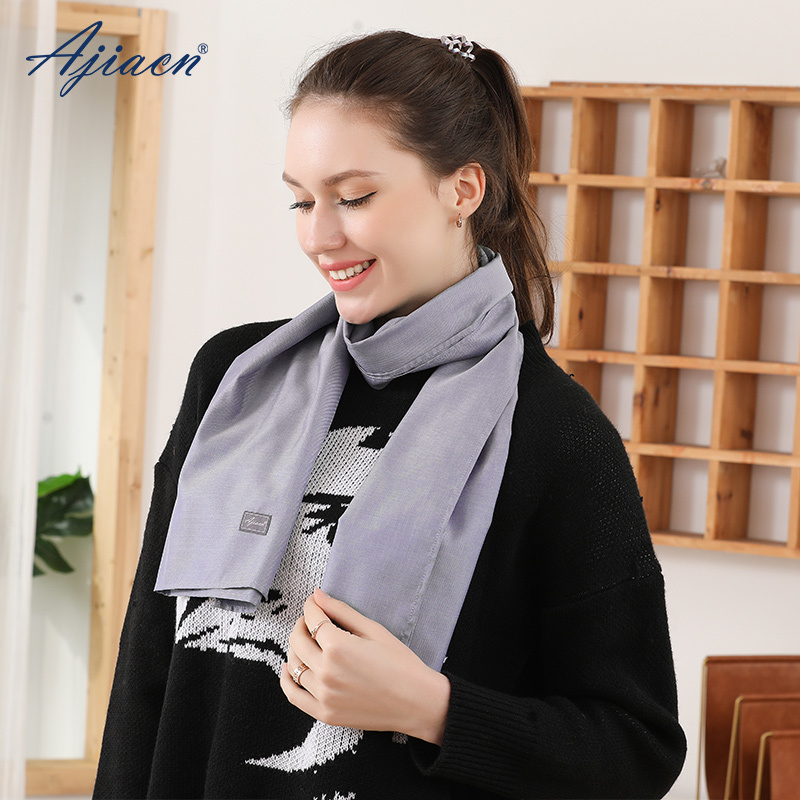
The fashion industry has begun to embrace silver fiber technology in everyday clothing. From jackets to undergarments, consumers can now invest in stylish garments that also offer protection against radiation.
3. Home Textiles
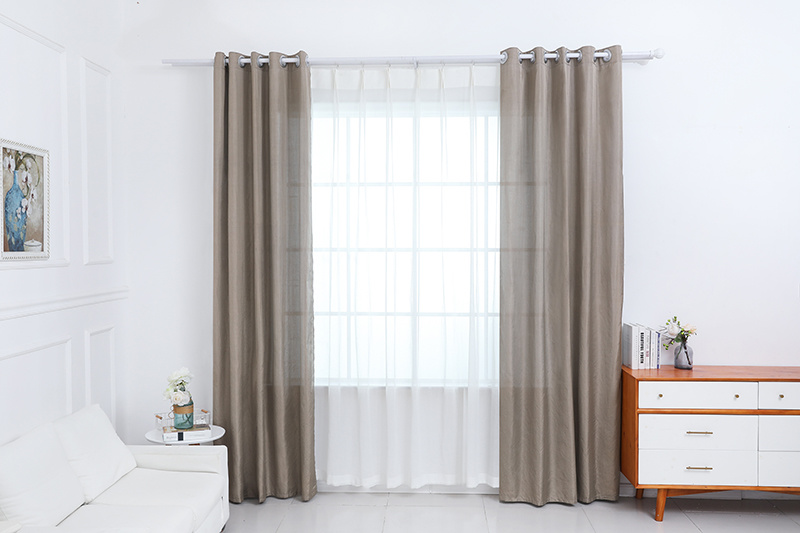
Silver-infused textiles are increasingly used in home furnishings, including curtains, upholstery, and bedding. These materials not only provide aesthetic value but also contribute to a healthier living environment by reducing exposure to household radiation.
4. Sportswear
Athletes benefit from silver fiber technology through performance-enhancing sportswear. The ability to wick moisture while providing radiation protection makes these garments an excellent choice for active individuals who are frequently surrounded by electronic devices.
The Sustainability Aspect of Silver Fiber Textiles
As consumers become more environmentally conscious, the sustainability of textile production has become a significant focus.
1. Natural Antimicrobial Solution
Silver's natural antimicrobial properties offer an alternative to chemical treatments, which can be harmful to both the environment and human health. By using silver fibers, manufacturers can produce textiles that require fewer chemical finishes.
2. Long-Term Use and Reduced Waste
The durability of silver fiber textiles reduces the need for frequent replacements, leading to decreased waste. This longevity aligns with sustainable fashion principles, contributing to a more eco-friendly industry.
3. Recycling Potential
As technology advances, the potential for recycling silver-infused fabrics increases. Innovations in recycling methods can ensure that these materials are repurposed rather than discarded, further supporting sustainability efforts.
Future Trends in Silver Fiber Technology
As we look to the future, several trends are emerging in silver fiber technology that can shape the landscape of radiation protection textiles.
1. Increased Customization
With advancements in textile engineering, we foresee a rise in customizable silver-infused fabrics tailored to specific consumer needs, from tailored medical applications to personalized fashion statements.
2. Greater Integration with Wearable Technology
The fusion of silver fiber technology with wearable devices holds great promise. As health monitoring continues to evolve, integrating protective textiles with advanced sensors can provide real-time data on exposure levels.
3. Enhanced Research and Development
Ongoing research into the applications of silver fiber technology will likely yield new innovations, expanding its use beyond textiles to other sectors like automotive, aerospace, and electronics.
Conclusion
In summary, silver fiber technology represents a significant advancement in the realm of radiation protection textiles. Its unique properties not only shield against harmful electromagnetic radiation but also offer antimicrobial benefits and versatile applications across various industries. As consumers become more aware of the health implications of radiation exposure, the demand for silver-infused textiles is likely to grow. With ongoing innovations and a commitment to sustainability, silver fiber technology stands at the forefront of a healthier, safer future.
FAQs: Common Questions About Silver Fiber Technology
1. What is silver fiber technology?
Silver fiber technology involves integrating fine silver fibers into textiles to provide electromagnetic radiation protection and antimicrobial properties.
2. How does silver fiber protect against radiation?
Silver fibers create a conductive layer in the fabric that reflects and absorbs electromagnetic waves, preventing them from penetrating the material.
3. Are silver-infused textiles comfortable to wear?
Yes, silver-infused textiles are lightweight and breathable, making them comfortable for extended wear.
4. Can silver fiber textiles be washed?
Absolutely! Silver fibers maintain their protective qualities even after multiple washes.
5. What industries benefit from silver fiber technology?
Silver fiber technology has applications in medical textiles, fashion, home textiles, and sportswear, among others.

GET IN TOUCH
We will contact you within one working day. Please pay attention to your email.


Address
Floor 4-5, Building A3, Jinxiang Intelligent Manufacturing Industrial Park, Zhongnan High tech, at the intersection of Fenglehe Avenue and Leiyang Road, Huagang Town, Feixi County, Hefei City