

Protecting the Future: Essential Insights on Anti-Radiation Clothing for Pregnancy
Release Time:
Jan 07,2025
In today's technologically advanced world, electromagnetic radiation is an omnipresent concern. For pregnant women, the implications of this exposure can be particularly daunting. Anti-radiation clothing has emerged as a popular solution, designed to provide a protective barrier against various types of radiation, including electromagnetic fields (EMF) emitted by everyday devices such as smartphon
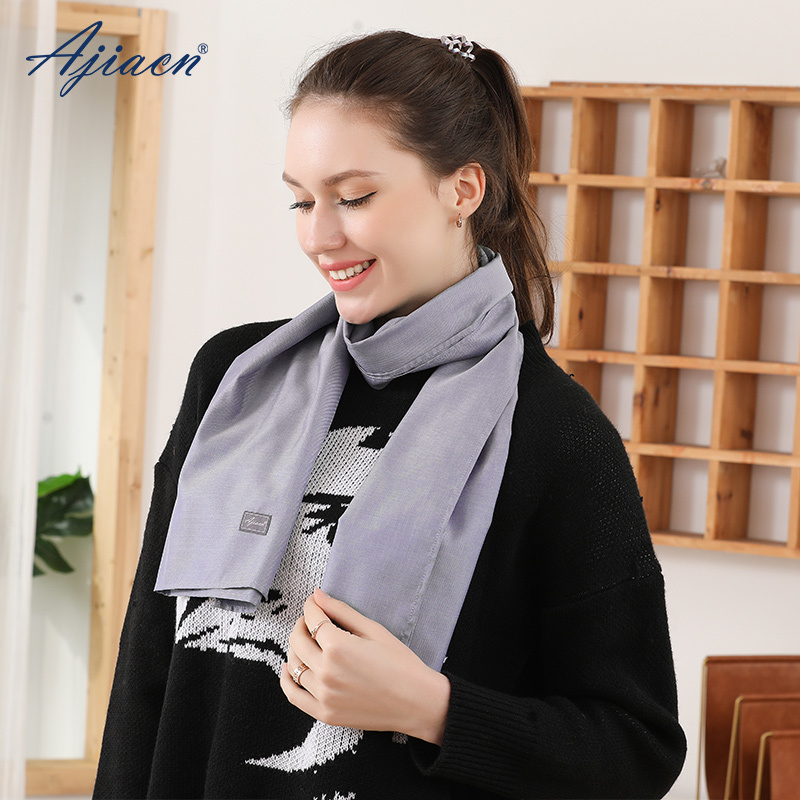
Anti-radiation clothing for pregnancy typically incorporates specialized fabrics that are woven with conductive materials, such as silver or copper fibers. These materials are effective in reflecting or absorbing radiation, thereby reducing the exposure to both the mother and the fetus. As an expectant mother, one may wonder about the effectiveness and safety of these garments. Various studies suggest that wearing such clothing can significantly decrease EMF exposure, although further research is necessary to fully understand the long-term benefits.
When considering anti-radiation clothing, it is crucial to assess the quality and certifications of the products. Look for garments that have been tested and certified for their radiation-blocking capabilities. High-quality clothing will not only offer protection but will also ensure comfort and breathability, as expectant mothers often experience changes in body temperature and sensitivity. It is advisable to choose clothing that provides a good fit without constricting movement, as comfort is paramount during this critical period.
In addition to wearing anti-radiation clothing, pregnant women should adopt a holistic approach to reduce radiation exposure. This includes minimizing the use of electronic devices, especially those held close to the body, such as smartphones. Implementing simple lifestyle changes, such as using speakerphone or hands-free devices, can further decrease direct exposure to radiation.
Moreover, it's essential to stay informed about the various sources of radiation in your environment. Familiarizing yourself with common household items that emit EMF can help in proactively reducing exposure. Creating a low-radiation environment in your home by using wired internet connections, turning off devices when not in use, and keeping a distance from appliances can also be beneficial.
In conclusion, anti-radiation clothing for pregnancy represents a valuable tool in safeguarding maternal and fetal health. By understanding its importance, selecting high-quality garments, and adopting a comprehensive approach to minimizing radiation exposure, expectant mothers can take significant steps toward ensuring a healthier pregnancy. As awareness of environmental risks continues to rise, these protective measures are becoming increasingly vital in the journey of motherhood.
GET IN TOUCH
We will contact you within one working day. Please pay attention to your email.


Address
Floor 4-5, Building A3, Jinxiang Intelligent Manufacturing Industrial Park, Zhongnan High tech, at the intersection of Fenglehe Avenue and Leiyang Road, Huagang Town, Feixi County, Hefei City