

The Essential Guide to Radiation Resistant Curtains: Protecting Spaces with Innovative Textile Solutions
Release Time:
Jan 01,2025
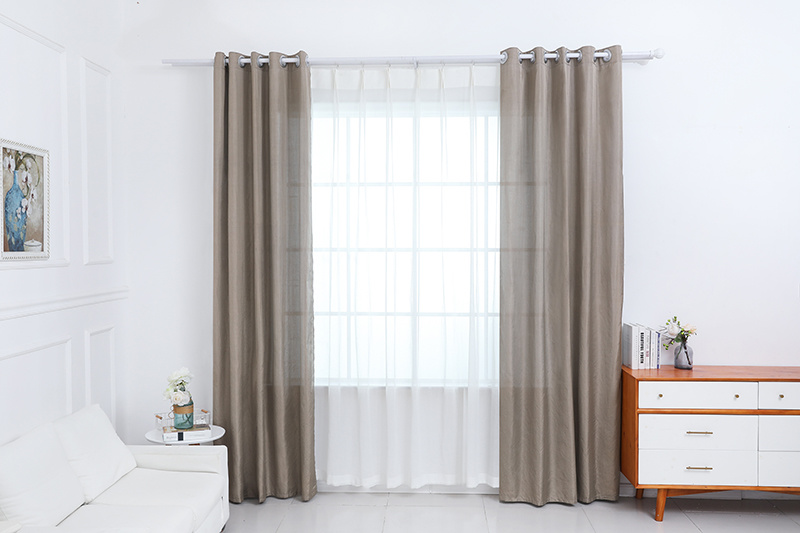
Radiation resistant curtains are specialized textiles designed to provide protection against various forms of radiation, including gamma rays and X-rays. These curtains are commonly utilized in medical facilities, research laboratories, and nuclear power plants, where safeguarding personnel and patients from harmful radiation exposure is paramount. Understanding the properties and benefits of radi
The fundamental principle behind radiation resistant curtains is their ability to absorb or deflect radiation. These curtains are typically made from dense materials, such as lead vinyl or other heavy-duty textiles that contain additives designed to block radiation. The effectiveness of these curtains can vary based on factors such as thickness, material composition, and the type of radiation being shielded against. For instance, lead-based curtains are widely regarded for their exceptional shielding capabilities against gamma radiation, making them a preferred choice in medical settings like radiology departments.
In addition to their protective qualities, radiation resistant curtains also offer practical benefits that enhance the functionality of a space. For example, they can help maintain temperature control and privacy in sensitive environments, such as operating rooms or laboratories. The ability to block light and reduce noise pollution further adds to the comfort and efficiency of these spaces, making radiation resistant curtains a versatile solution for various applications.
Choosing the right radiation resistant curtains involves considering several factors. First, it is essential to assess the specific radiation levels and types present in the environment. This evaluation will help determine the appropriate material and thickness required for effective shielding. Additionally, factors such as ease of installation, maintenance requirements, and aesthetic preferences should also be taken into account. While the primary focus is on safety, the visual impact of the curtains can influence the overall atmosphere of the space.
Another critical aspect to consider is compliance with relevant safety standards and regulations. Many industries require adherence to specific guidelines regarding radiation protection, and using certified radiation resistant curtains can help organizations meet these requirements. Professionals should ensure that the products they select are tested and validated for their intended use.
In conclusion, radiation resistant curtains are a vital component of safety protocols in environments where radiation exposure is a concern. By providing effective shielding while also enhancing the overall functionality of a space, these specialized textiles play a crucial role in protecting personnel and patients alike. Understanding their properties, benefits, and selection criteria can help professionals make informed choices, ensuring a safe and efficient working environment.
GET IN TOUCH
We will contact you within one working day. Please pay attention to your email.


Address
Floor 4-5, Building A3, Jinxiang Intelligent Manufacturing Industrial Park, Zhongnan High tech, at the intersection of Fenglehe Avenue and Leiyang Road, Huagang Town, Feixi County, Hefei City