

Understanding Radiation Resistant Fabric: Protecting You from Harmful Radiation
Release Time:
Aug 02,2024
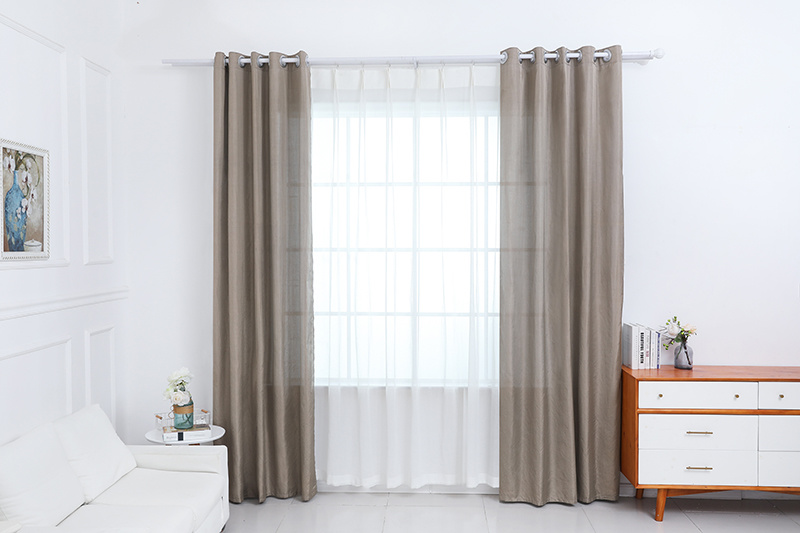
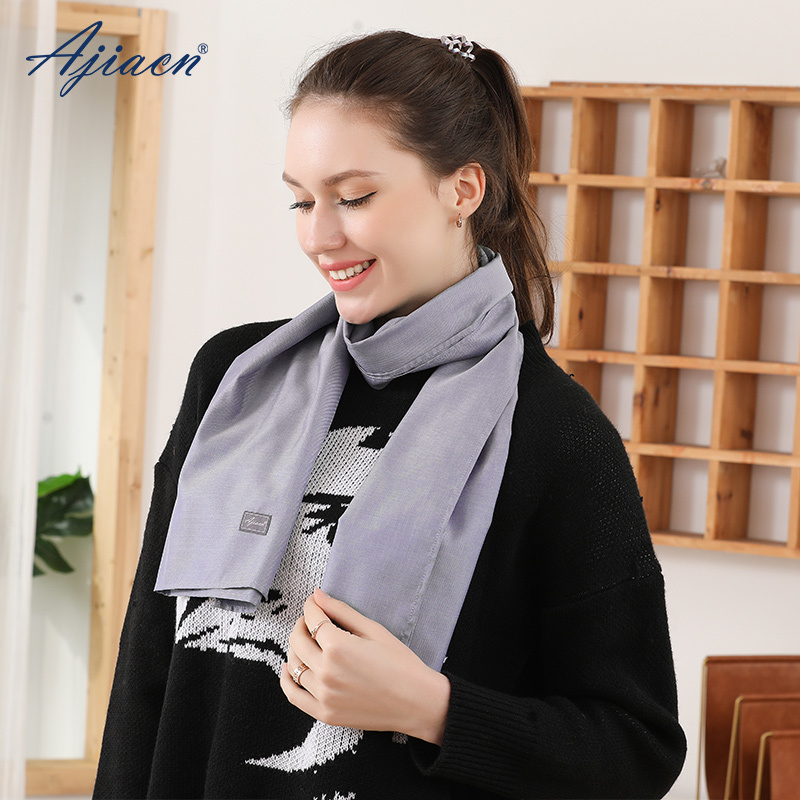
Radiation resistant fabric is a type of textile engineered to shield against various forms of radiation, including electromagnetic radiation and ionizing radiation. This specialized fabric is designed to provide a barrier that reduces radiation exposure, making it increasingly relevant in numerous fields, such as healthcare, aerospace, and telecommunications. One of the primary components that con
One of the primary components that contribute to the radiation resistant properties of these fabrics is their unique composition. Typically, these materials are woven with metallic fibers or infused with conductive particles that effectively reflect or absorb radiation. This innovative design helps in minimizing the penetration of harmful radiation, ensuring a safer environment for users.
In healthcare, radiation resistant fabric is particularly valuable. Professionals working with X-rays and other imaging technologies, such as radiologists and dental hygienists, benefit significantly from garments made of this material. By wearing protective aprons or gowns made from radiation resistant fabric, these professionals can greatly reduce their exposure to potentially harmful radiation during procedures.
Moreover, radiation resistant textiles are also becoming increasingly important in the aerospace industry. As commercial and military aircraft operate at high altitudes, the crew and passengers are subjected to increased levels of cosmic radiation. The use of radiation resistant fabric in aircraft interiors and spacesuits helps mitigate exposure, ensuring the safety and health of those on board.
Another area where radiation resistant fabric finds application is in telecommunications. With the proliferation of wireless devices and antennas, exposure to electromagnetic fields has raised health concerns. Incorporating radiation resistant materials into clothing or accessories can provide an additional layer of protection for workers in this field who are routinely exposed to these emissions.
The benefits of radiation resistant fabric extend beyond direct protection. These materials are often lightweight, breathable, and comfortable, making them suitable for long-term wear. Additionally, advancements in textile technology have led to the development of fabrics that are not only effective in radiation shielding but also durable and easy to maintain.
In conclusion, radiation resistant fabric plays a vital role in today’s technology-driven world, offering essential protection across various industries. By understanding its properties and applications, professionals can make informed decisions about their safety and well-being. As the demand for such specialized textiles continues to grow, innovations in radiation shielding technology will likely enhance the effectiveness and accessibility of these materials, ultimately contributing to a safer environment for all.
GET IN TOUCH
We will contact you within one working day. Please pay attention to your email.


Address
Floor 4-5, Building A3, Jinxiang Intelligent Manufacturing Industrial Park, Zhongnan High tech, at the intersection of Fenglehe Avenue and Leiyang Road, Huagang Town, Feixi County, Hefei City